The trailer gap. The single most common mistake RV owners make.
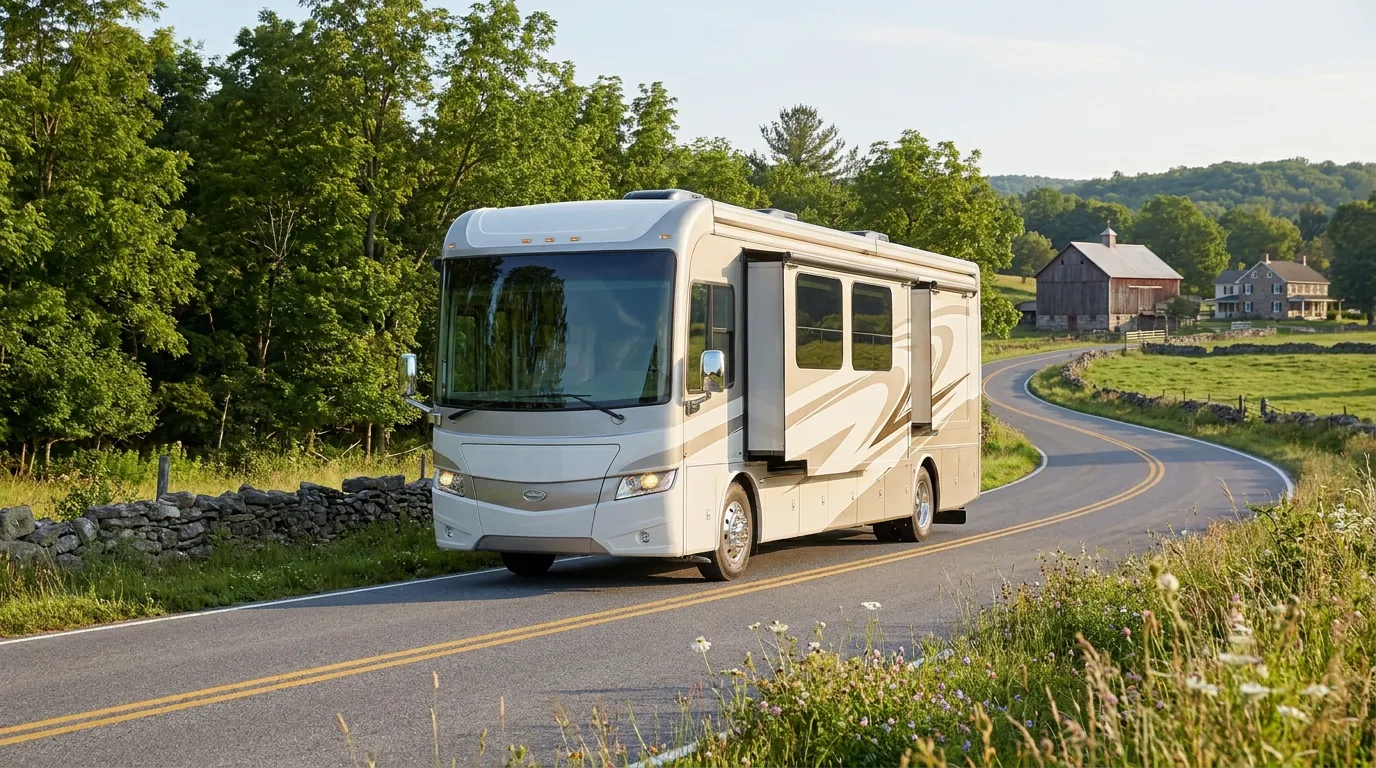
Start with the distinction that decides everything. A motorized RV, whether Class A, B or C, is a registered motor vehicle. It needs its own Pennsylvania liability coverage, and your auto policy does not extend to cover it. That part people usually get right, because the state makes them.
The towable side is where it goes wrong. A travel trailer, fifth wheel or pop-up does not need its own liability policy, because your tow vehicle's liability follows the trailer while it is hitched. Owners hear "you're covered by your truck policy" and stop there. But that coverage is liability only, while attached. It does not pay a dollar toward:
- Damage to the trailer itself, whether from a crash, a storm, a tree limb or a fire
- Anything inside it, from the television to the camping gear to the tools in the pass-through
- Anything at all once you unhook, which is the entire time you are actually camping
That last one is worth reading twice. The moment the trailer is off the ball and set up at a site, the tow vehicle's liability is no longer following it around. If a guest trips on your step or your awning takes out the neighbor's slide-out, you are on your own without vacation liability coverage.
The other question that changes the whole policy is how much you live in it. Recreational use is one thing. If the RV is your primary residence, or you are in it while a house is being built or renovated, you need a full-timer's policy, which adds the personal liability and personal property protection a homeowners policy would normally provide. A recreational policy will not do that job.
Everything else, total loss replacement, personal effects, attached accessories, emergency expense, storage options for the five months a year it sits in this climate, is a matter of matching the policy to how you actually use it. That is the conversation, and it takes about fifteen minutes.