Book value is the wrong number. And it is the only one a standard policy knows.
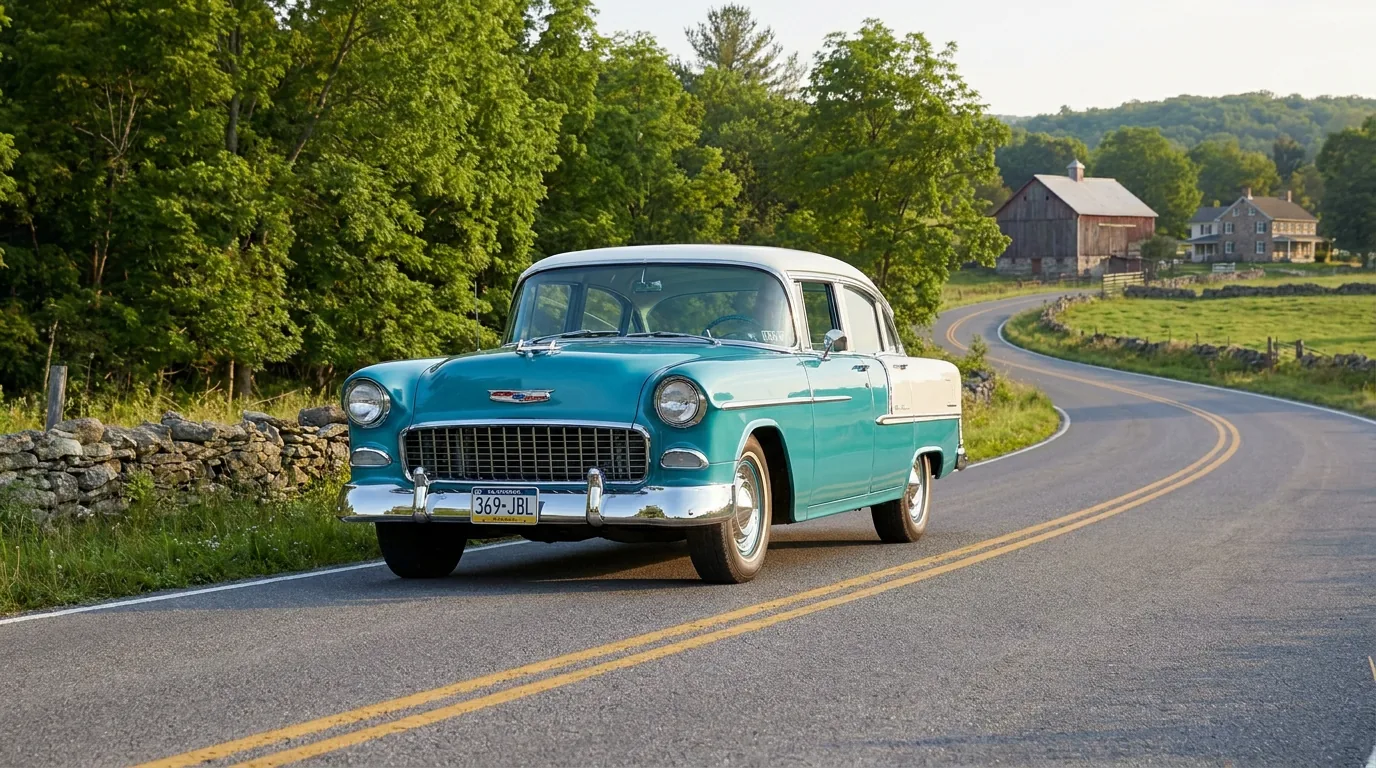
Here is the failure mode, and it is the same story every time. A car that has been owned for twenty years, restored carefully and appreciating quietly, is destroyed in a garage fire. The standard auto policy that covered it settles at actual cash value, and the adjuster looks up an old vehicle with high mileage in a valuation guide. The number that comes back has nothing to do with what the car was worth or what it would cost to find another one.
An agreed value policy removes that argument entirely. You and the carrier establish the value up front, usually with photographs, documentation and sometimes an appraisal, and that figure is written into the policy. A covered total loss pays it. No depreciation, no valuation guide, no negotiation while you are still upset about the car.
The surprise for most owners is the price. Specialty collector policies frequently cost less than insuring the same car on a standard policy, because the risk profile is genuinely different: low annual mileage, enclosed storage, an experienced owner, and a car that gets treated better than a commuter ever will.
What you trade for that is a set of conditions. Carriers generally want the vehicle garaged in an enclosed, locked space, want you to have a separate daily driver, and place limits on how the car is used. Those conditions are not decoration. If a policy requires enclosed storage and the car is stolen from a driveway, that is a conversation you do not want to be having.
There is also a second rulebook in Pennsylvania that has nothing to do with insurance: if the car wears antique, classic or collectible plates, the Vehicle Code restricts how you may drive it. Those two rulebooks are separate and both apply. There is a section on that below.