Nobody makes you buy it. Everybody makes you have it.
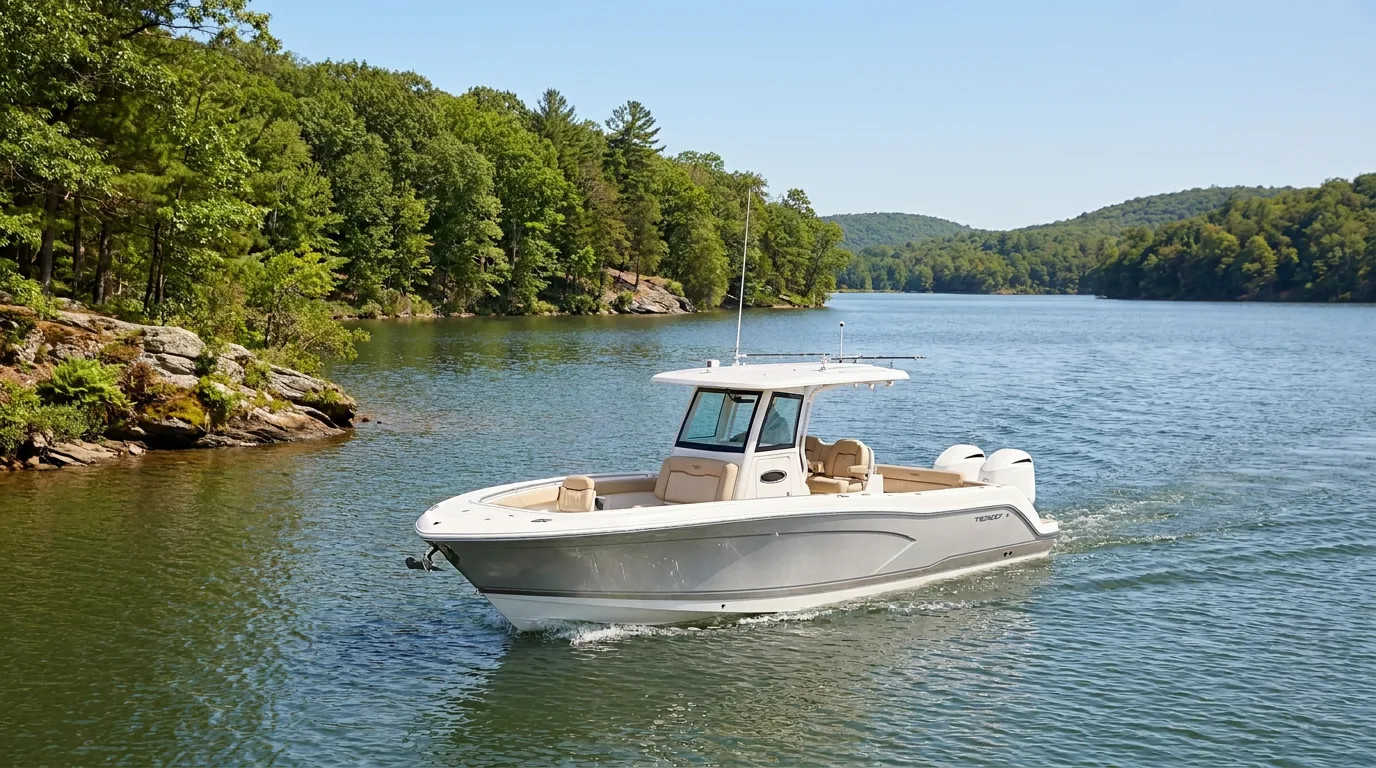
Pennsylvania is like most states here: there is no statute requiring insurance on a private recreational boat. You can register a boat with the Fish and Boat Commission and never buy a policy, and no one will stop you at the ramp.
Then reality intervenes. Marinas routinely require proof of liability insurance before they will rent you a slip or store your boat, and the limit they demand is written into the dock agreement. Lenders require physical damage coverage on any financed boat, the same way an auto lender requires comprehensive and collision. And if you run charters or guide trips, Pennsylvania regulations require you to carry coverage, because that is commercial activity rather than recreation.
The other reason is the one people think about least. A boat is a liability exposure in a way a car is not, because the things around it are expensive and the people in the water are unprotected. Striking another vessel, a dock, a piling or a swimmer produces claims that are not small, and there is no compulsory insurance system on the water to backstop the other party.
Two coverages exist on marine policies that landlubber policies have never heard of, and both matter more than owners expect: fuel spill liability, because you are legally responsible for cleanup and the cost can be startling, and wreck removal, because if your boat sinks you are generally required to raise it. Neither is optional in any practical sense.
What a homeowners policy does cover is small, low-powered craft: a canoe, a kayak, a dinghy with a trolling motor. Once you are into a real powerboat, pontoon, PWC or sailboat, you have outrun that coverage and need a proper watercraft policy.