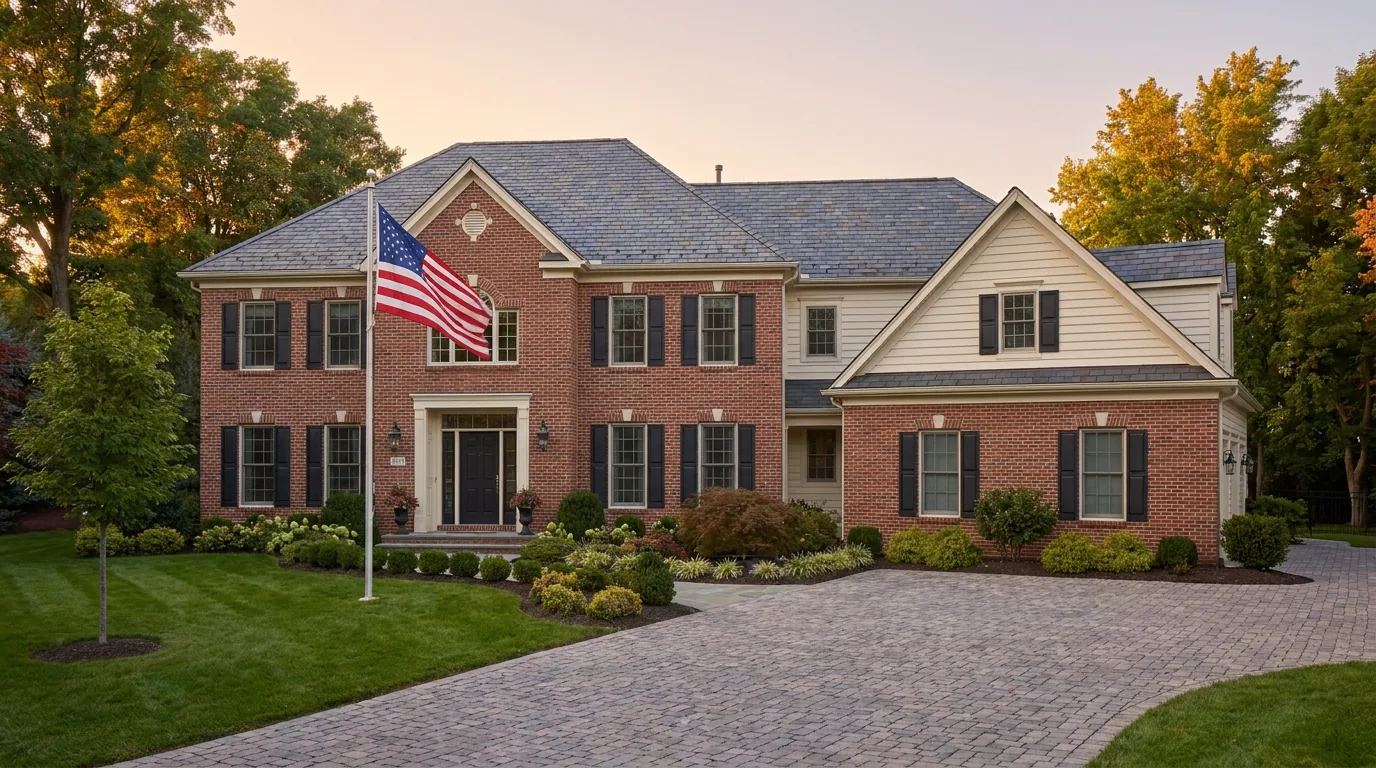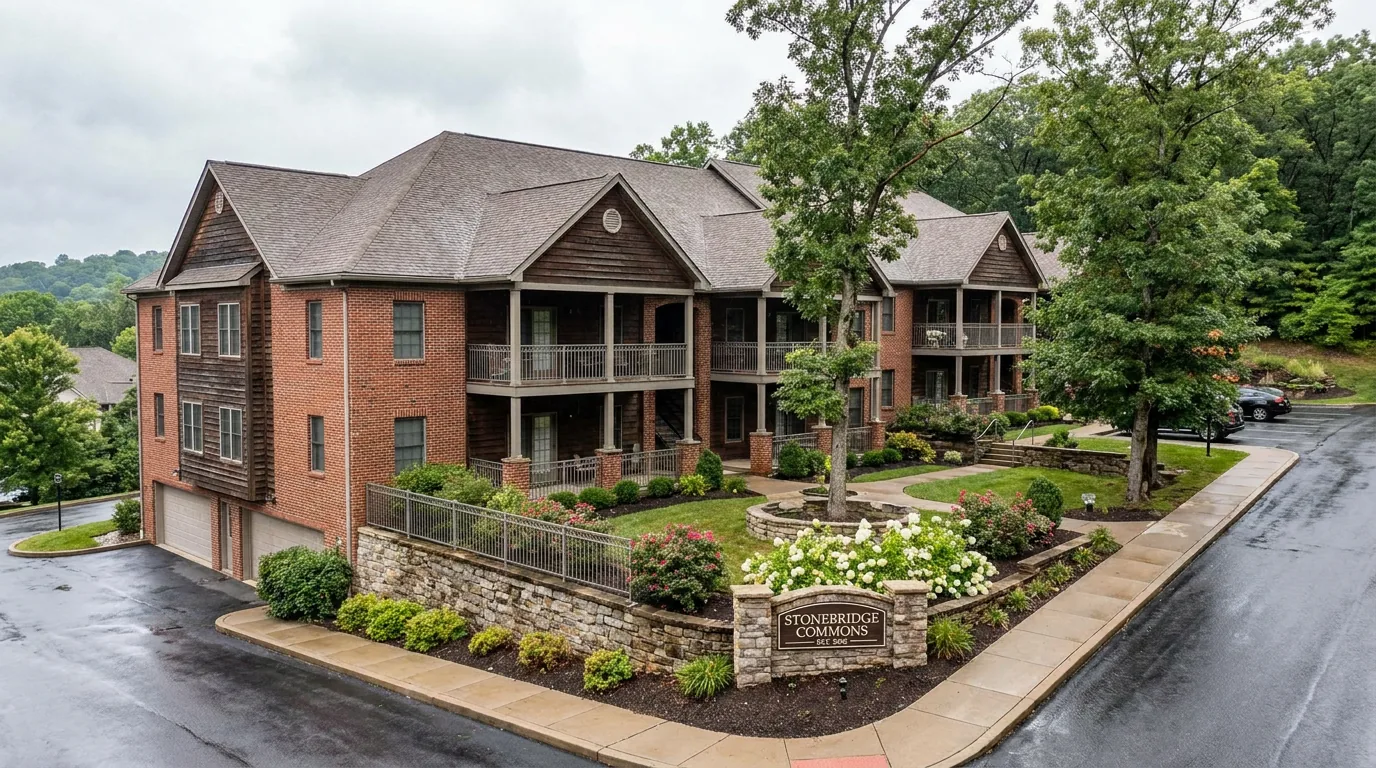
Two policies, one building. The gap between them is yours.
Condominium insurance is the only personal line where your coverage depends on a document you did not write. The association carries a master policy on the building and common elements. You carry an HO-6 on your unit. Where one stops and the other starts is set by the declaration and bylaws, not by either insurance policy, and that is the sentence most owners never hear.
Pennsylvania gives you a floor. Under the Uniform Condominium Act, an association must maintain property insurance covering the common elements and the units, excluding owner-installed improvements and betterments, plus general liability. That is more owner-friendly than the bare-walls arrangement people expect. But the association's governing documents can shift responsibility, and where the documents speak, they control. So the answer to "what do I need?" always begins with reading your declaration.
Then there is the number that quietly ruins people. Loss assessment coverage pays your share when the association charges owners back for a covered loss or for its master policy deductible. Many HO-6 policies include only $1,000 of it by default. Association deductibles have climbed steeply, and $25,000, $50,000 or higher is now common. Raising that limit usually costs very little per year. Not raising it is how a routine building claim turns into a five-figure bill on your kitchen table.
One more thing worth checking before anything else: is it actually a condominium? Plenty of Lehigh Valley townhome communities are planned communities governed by a different statute, where the owner insures the entire structure. Those owners need an HO-3, not an HO-6, and buying the wrong form leaves the building itself uninsured.
Send us your declaration page and the association's certificate of insurance. Fifteen minutes tells you exactly where the line falls and whether your limits meet it.